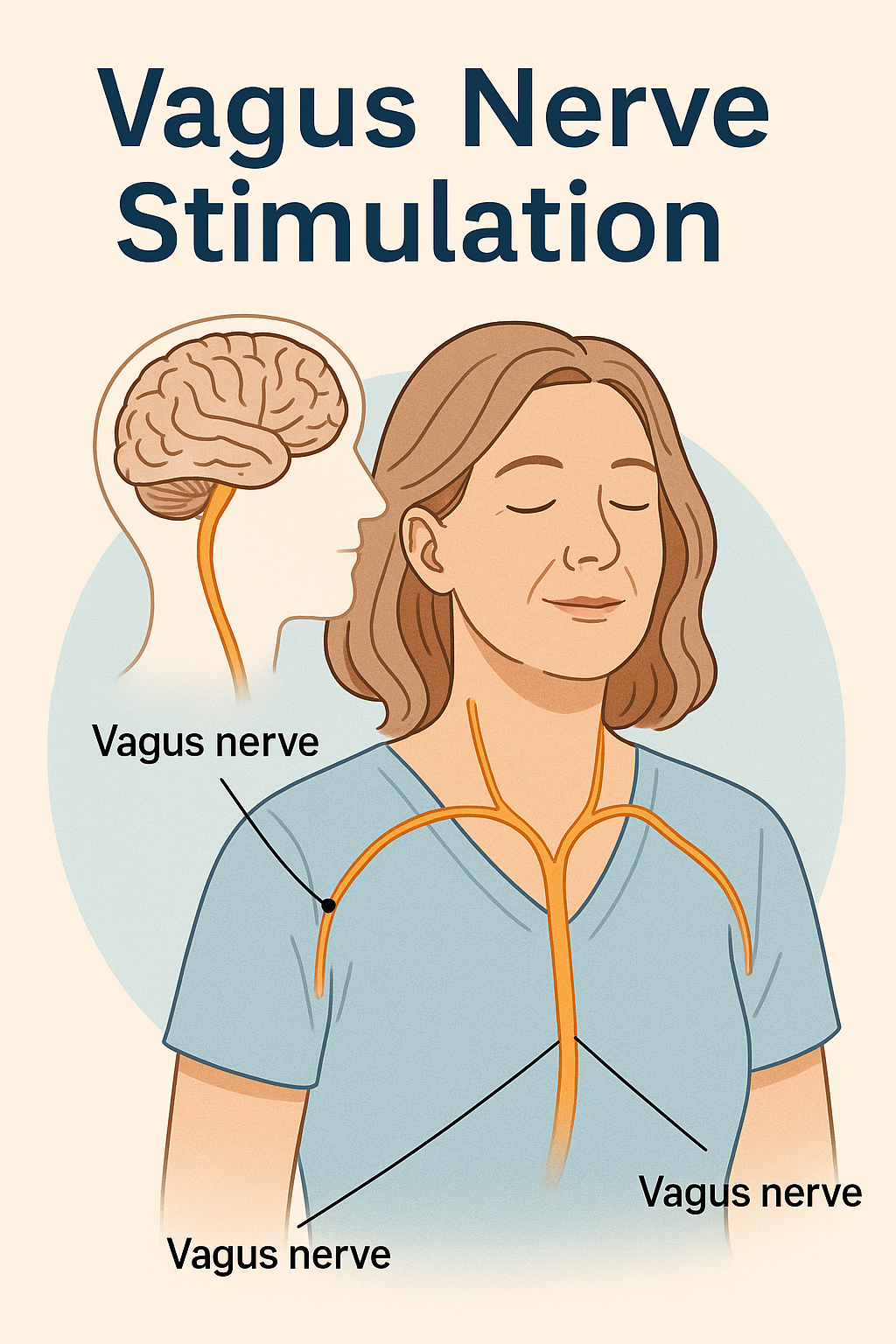
What is "Vagus Nerve Stimulation"?
"Vagus nerve stimulation" (often abbreviated VNS) describes methods — from simple breathing exercises to modern non-invasive devices — that aim to activate a part of the body’s natural calming system. While some VNS approaches are medical procedures, many at-home techniques are non-invasive and focused on improving daily relaxation and sleep.
Why so many people are searching this now
In recent years, people have become more aware of how stress and disrupted sleep affect health and mood. The idea that we can use simple, repeatable methods to encourage the body to switch from "high alert" to a calmer state has driven interest in VNS.
- Persistent stress and tension in daily life
- Difficulty falling or staying asleep
- Desire for non-drug, at-home options
This page is educational. It does not provide medical advice. If you have a medical condition, consult a professional.
Common ways people try to stimulate the vagus nerve
There is a range of approaches — from lifestyle practices to technology-based tools. Here are common examples:
- Breathing & slow exhalations — intentional breath work that helps lower heart rate.
- Humming or singing — gentle activities that can stimulate the body’s calming pathways.
- Cold exposure — brief face/neck cold stimulus used by some methods.
- Non-invasive devices — small wearables or clips designed for at-home stimulation (simple, usually 5–10 minute sessions).
Why some people choose at-home devices
Compared to techniques that require training or long practice sessions, many users prefer devices for three reasons:
- Consistency: an easy routine you can repeat each day.
- Convenience: short sessions done at home or during breaks.
- Simplicity: fewer steps than complex breathing or meditation programs.
Curious to see how people are using this at home?
Below is a widely viewed at-home option that explains the method step-by-step. If you want to see full details, pricing and real user examples, follow the link.
FAQ
Some forms of VNS are medical and performed by professionals. This page focuses on non-invasive methods people use for relaxation and improved sleep.
Some people notice immediate relaxation; for others it takes repeated sessions. Results vary by individual.
Non-invasive at-home devices often do not require a prescription. If you have health concerns, consult your doctor.